

We caught up with Alan Rhode, author of political drama The Eagle and the Cockerel.
Synopsis
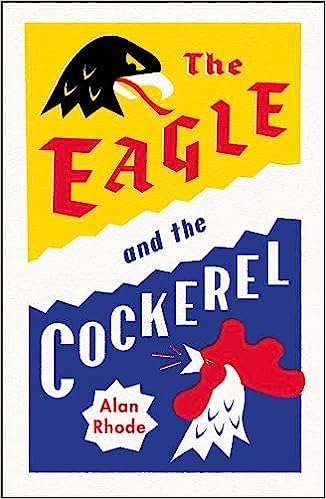
Europe. Great Britain has long-since left the Union, but tensions between European countries remain and the international balance of power is firmly weighted towards China and the US. Seizing the opportunity for an unexpected comeback, disgraced former Paris mayor Vincent d’Amont makes an outrageous proposal: France and Germany should unite to create a new superpower: Charlemagny. The question will be put to the people in an historic vote on ROME, the ubiquitous social network of Europe.
Outraged by the progress of events and fearing a new order based on chaos and conflict, political vlogger Miss Cliché engages in a fierce battle against Vincent and his cronies. A bumpy journey filled with post-truth news and scorching betrayal lies ahead. Can Miss Cliché discover who is running the all-powerful ROME and reveal the real forces behind Charlemagny? And can she keep her own feelings under control before Charlemagny becomes a reality?
Interview
Your book is based on a real suggestion by the German Chancellor that France and Germany should unite. Why did this appeal to you?
Alan: I thought it seemed a very bold proposal, especially in light of the troubled past between the two countries and the very early stage of European integration. And it came from an experienced, reserved statesman – not a modern-day “demagogue”.
When I began thinking at this novel (roughly 2015), I saw a parallel between the idea of a referendum about the merger of these countries and the forthcoming Brexit referendum, which then had an unexpected outcome (at least for many pundits).
How has your life as a journalist influenced your writing of fiction?
Alan: I would’ve never completed this book without my prior experience as a journalist. You really need to have poured a lot of ink before being able to write a book. I believe that you can see, especially when the narrator dwells on political descriptions, my journalistic background between the lines. And the time spent reading the Economist and Financial Times! Although I made a very serious effort to keep the political insights concise and light, and always in the background. The plot and the development of the characters must come first.
Your book features a fair few fantastic European cities? Which is your favourite and why?
Alan: Probably Paris, “superbly nostalgic and suspended in time” – to quote the novel. One of the aspects of writing that I appreciate the most is that it allows you to travel in space and time. I also love Verona, in Italy, for personal reasons (the city of Romeo and Juliet).
Can you shed any light on your next book?
Alan: I wish to keep a bit of secrecy. However, I can still say that it does not deal with politics, it’s set in the future, it’s an intrigue rich in twists and turns; and the underlying topic is the Earth and what humans are doing to her.
Thanks to Alan Rhode and Four Agency for the opportunity.
 Paradise is a Library